
Oak vs. Maple Hardwood: Which Is Best for Your Furniture Project?
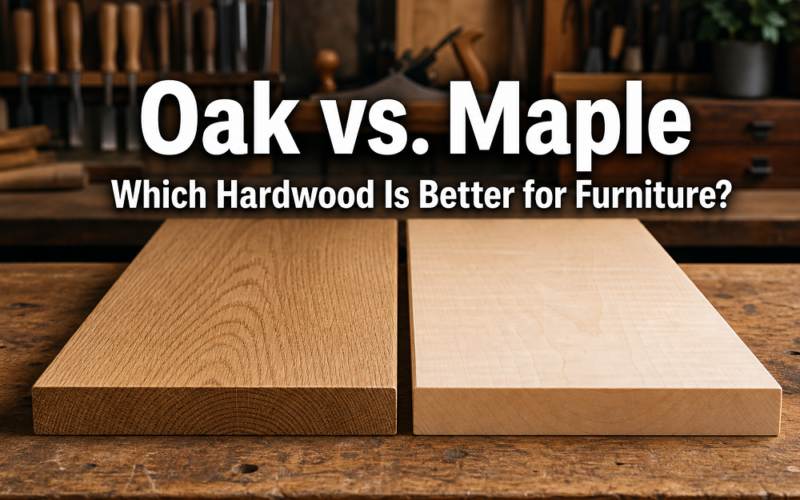
Oak vs. Maple Hardwood: Which Is Best for Your Furniture Project? Oak and maple are both excellent domestic hardwoods for furniture, but they suit different projects, styles, and skill levels. Oak is the better choice when you want visible grain, warm character, and a wood that takes stain forgivingly. Maple is the better choice for painted pieces, modern styles, high-traffic surfaces, and anything requiring a clean, uniform appearance. The right answer depends on what you’re building, how you plan to finish it, and the look you’re going for.
Oak and maple are both North American hardwoods, but they come from entirely different tree families and behave differently in nearly every stage of woodworking. Oak (most commonly red oak or white oak in furniture) is a ring-porous wood, meaning its growth rings contain large, open pores that are visible to the naked eye. Maple (typically hard maple, also called sugar maple) is a diffuse-porous wood, with tiny, evenly distributed pores that give it a smooth, almost featureless surface.
That structural difference is what drives most of the practical distinctions between them:
If you’re just getting started with furniture building, understanding these two species gives you a solid foundation. The wood types and material selection guide covers a broader range of species comparisons if you want to go deeper.
Hard maple is harder than red oak, though both qualify as hard, furniture-grade woods. According to the Janka hardness test (a standard industry measurement of wood’s resistance to denting and wear), hard maple scores approximately 1,450 lbf, while red oak scores approximately 1,290 lbf. White oak sits closer to 1,360 lbf.
In practical terms, this means maple is slightly more resistant to dents and surface dings, but the difference is not dramatic enough to be the deciding factor for most furniture projects. Both species will hold up well under everyday use. Where the hardness gap becomes more meaningful is in high-impact applications: flooring, gym equipment, and butcher blocks, where maple’s density is a genuine advantage.
For furniture building specifically, the hardness difference matters less than grain, finish behavior, and the style you’re going for.
Does maple wood dent easier than oak? No. Maple is the harder of the two and is slightly more dent-resistant than red oak. If dent resistance is your primary concern (for a dining table or a kitchen countertop, for example), maple has the edge.
Both oak and maple will last decades in a dining table if built well and finished properly. Neither species is a weak choice here. That said, there are practical differences worth knowing before you commit.
Maple’s higher Janka hardness gives it a slight advantage in resisting surface scratches from plates, cutlery, and daily contact. Its tight grain also means spills sit on the surface longer before penetrating, giving you more time to wipe them up (though this is more about finish quality than the wood itself).
Oak’s open grain, on the other hand, means surface scratches and small dents tend to blend into the existing texture rather than standing out as obvious marks. A scratched maple surface can look more noticeable against its smooth, uniform background.
The honest answer: For a dining table that will see daily family use, either species will perform well over many years. Choose maple if you want maximum scratch resistance and a smooth, contemporary surface. Choose oak if you want a wood that hides wear gracefully and suits a traditional or farmhouse aesthetic.
Both need a durable topcoat (oil-based polyurethane or a hardwax oil finish are popular choices) to protect against moisture and food contact. The finish does more for longevity than the species choice alone.
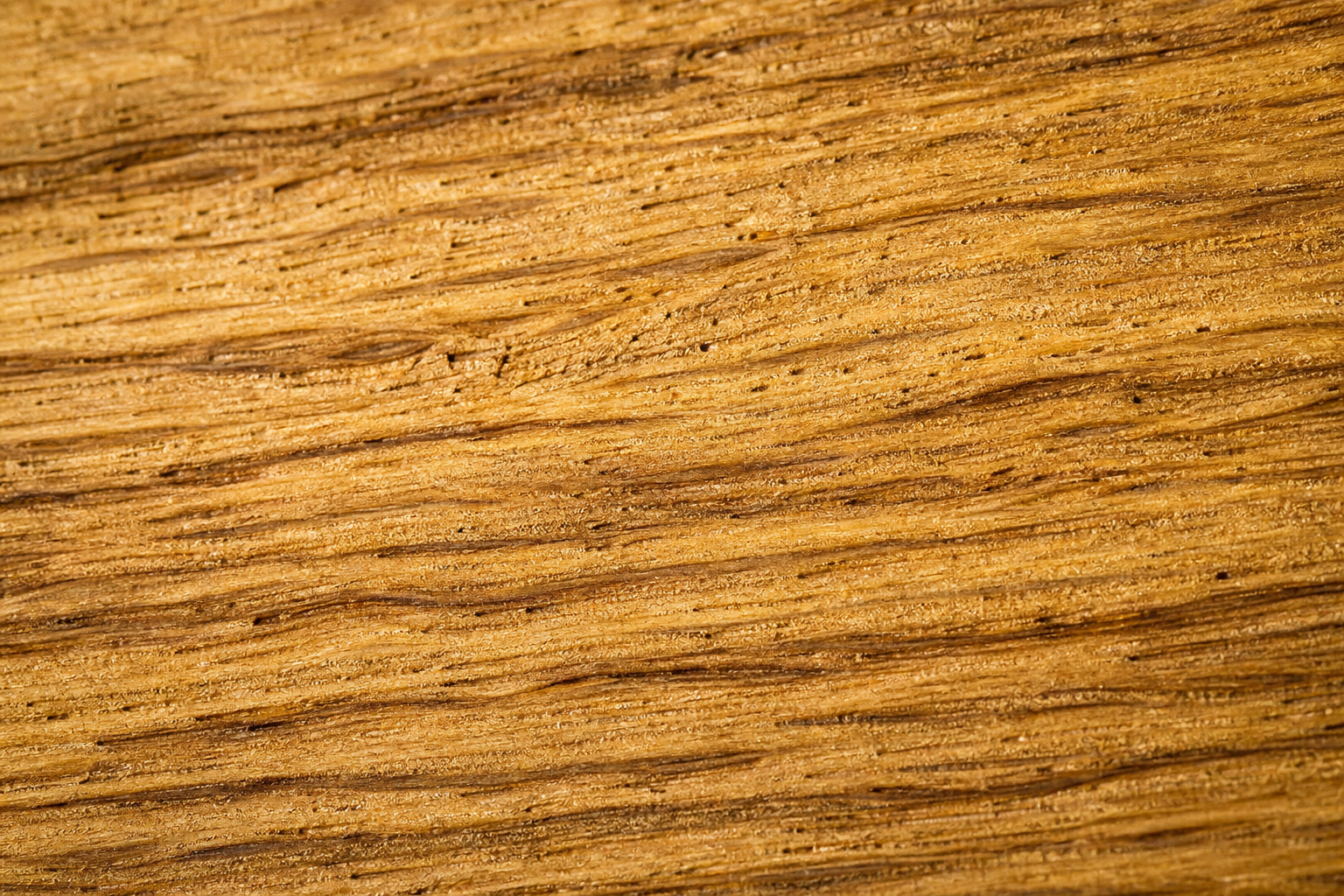
This is one of the most important practical questions in the oak vs. maple debate, and the answer is: not without extra preparation. Oak stains easily and evenly because its open pores absorb color at a consistent rate. Maple’s tight, irregular grain absorbs stain unevenly, causing blotchy, streaky results, especially with medium to dark stain colors.
This is not a beginner-friendly finishing situation. Here’s what happens without preparation: the stain soaks into some areas more than others, and you end up with dark patches surrounded by lighter areas that look unintentional and inconsistent.
To stain maple successfully, you need to:
Oak requires no such preparation for most stain colors, though very dark stains (ebony, jacobean, dark walnut) can look uneven in oak’s large pores without a grain filler. For beginners planning to stain their furniture, oak is the more forgiving starting point.
If you’re working on your first furniture project and want to avoid finishing headaches, the beginner woodworking resources here cover finishing basics alongside project guidance.
For kitchen cabinets, both species are widely used in professional and custom cabinetry, and both are legitimate choices. The better option depends on the finish you’re planning.
Choose maple for painted cabinets. Maple’s tight, smooth grain produces a flawless painted surface with minimal grain telegraphing through the paint. This is why maple is the default species in most painted cabinet shops. It takes primer and paint evenly, and the result looks crisp and clean.
Choose oak for stained or natural-finish cabinets. Oak’s visible grain adds warmth and character to stained cabinetry. It’s the classic choice for traditional, Shaker, and farmhouse kitchen styles. The open grain does mean you’ll want to use a grain filler if you’re going for a perfectly smooth stained surface, but many woodworkers prefer the natural texture.
One practical note: oak’s pronounced grain can make it harder to touch up or blend repairs later, since the grain pattern is so distinctive. Maple, being more uniform, is slightly easier to patch invisibly if a cabinet door gets damaged.
For cabinet-building plans and design ideas, the indoor furniture plans section has a range of project resources worth exploring.
Pricing between oak and maple is generally comparable, both sitting in the moderate range for domestic hardwoods. As a rough estimate (based on typical retail board-foot pricing at hardwood dealers in North America), both species tend to run between $5 and $12 per board foot depending on grade, region, and supplier. Premium figured maple (curly maple, bird’s-eye maple) commands significantly higher prices and is a different category entirely.
Regional availability is the biggest factor that shifts cost. Oak is more widely distributed across the eastern United States and tends to be cheaper in southern and mid-Atlantic states. Hard maple is more abundant in the Great Lakes region and New England, where it’s often the more affordable option.
Why does maple sometimes seem more expensive? Figured maple (with curly or bird’s-eye grain patterns) is genuinely more expensive because it’s rarer and visually striking. Standard hard maple and standard red oak are priced similarly at most hardwood dealers. If you’re being quoted a much higher price for maple, ask whether you’re looking at figured stock.
Before buying, check with local hardwood dealers or a regional lumber yard rather than big-box stores. You’ll get better pricing, better selection, and the ability to hand-select boards.
Neither oak nor maple is naturally water-resistant in the way that teak or white oak (with its tyloses-filled pores) can be for outdoor applications. For indoor furniture, both species need a proper topcoat to resist moisture, spills, and humidity changes.
White oak has a meaningful advantage over red oak in moisture resistance because its pores are naturally plugged with tyloses, making it less permeable. This is why white oak is used in wine barrels and boat building. Hard maple does not have this advantage.
For indoor furniture comparisons:
The practical takeaway for furniture builders: apply a water-resistant topcoat (polyurethane, lacquer, or a penetrating oil finish with a sealer) regardless of which species you choose. The finish is doing most of the moisture protection work.
Yes. Maple is an excellent choice for high-traffic furniture and surfaces precisely because of its hardness and density. It’s the standard species for hardwood gym flooring, bowling alley lanes, butcher blocks, and commercial countertops, all of which see far more abuse than typical home furniture.
For home applications in high-traffic areas (entryway benches, dining tables, kitchen islands, children’s furniture), maple holds up very well. Its tight grain resists surface abrasion, and its smooth surface is easy to clean.
The one trade-off: maple shows surface scratches more visibly than oak because its uniform, light-colored surface provides little visual texture to absorb or disguise marks. In a home with kids, pets, or heavy daily use, some people find oak’s textured grain more forgiving in appearance over time, even if maple is technically harder.
Decision rule: Choose maple for high-traffic surfaces where you want maximum durability and are prepared to maintain the finish. Choose oak for high-traffic pieces where visual wear-hiding matters as much as hardness.
Oak is the better choice for woodworkers and buyers who want warmth, visible grain, and a traditional or rustic aesthetic. It’s also the more beginner-friendly species for staining projects.
Oak suits you if:
Oak is also the better choice for outdoor furniture applications if you’re using white oak, which has significantly better moisture resistance than hard maple.
For bedroom furniture (bed frames, dressers, nightstands), both species work well, but they suit different design directions. Maple is the dominant species in contemporary and Scandinavian-style bedroom furniture because its clean, light surface pairs well with minimalist design and painted or lightly oiled finishes. Oak is the classic choice for traditional bedroom sets, where the visible grain adds warmth and the wood takes stain in rich, warm tones.
Bedroom furniture sees less physical abuse than dining or kitchen furniture, so hardness is less of a deciding factor here. The choice comes down almost entirely to aesthetics and finish preference.
One practical note for bedroom furniture specifically: maple’s light, neutral color can yellow slightly over time when finished with oil-based products. If you want maple to stay bright and cool-toned, use a water-based finish. Oak’s warmer undertones are less affected by finish ambering.
Even experienced hobbyist woodworkers make avoidable errors when choosing between these two species. Here are the ones that come up most often:
Choosing maple and then staining it dark. This is the single most common finishing mistake with maple. Without a pre-stain conditioner and a gel stain, the result is almost always blotchy. If you want a dark stained piece, oak is the more reliable choice.
Assuming all oak is the same. Red oak and white oak behave differently. White oak has tighter pores, better moisture resistance, and a slightly different color tone. If you’re building a kitchen island or anything near water, white oak is the better oak choice.
Ignoring grain direction when milling maple. Maple’s tight grain can cause tear-out when hand-planing or routing if you’re not reading the grain direction carefully. Sharp tools and attention to grain direction are non-negotiable. The woodworking tools and equipment guide covers tool sharpness and setup in detail.
Buying from a big-box store without inspecting the boards. Both species vary significantly in quality between boards. Cupping, checking, and wild grain can cause problems later. Buy from a hardwood dealer where you can hand-select.
Choosing based on price alone. The cost difference between oak and maple is usually small. Choosing the wrong species for your finish plan and then having to redo the work costs far more in time and materials than the few dollars saved per board foot.
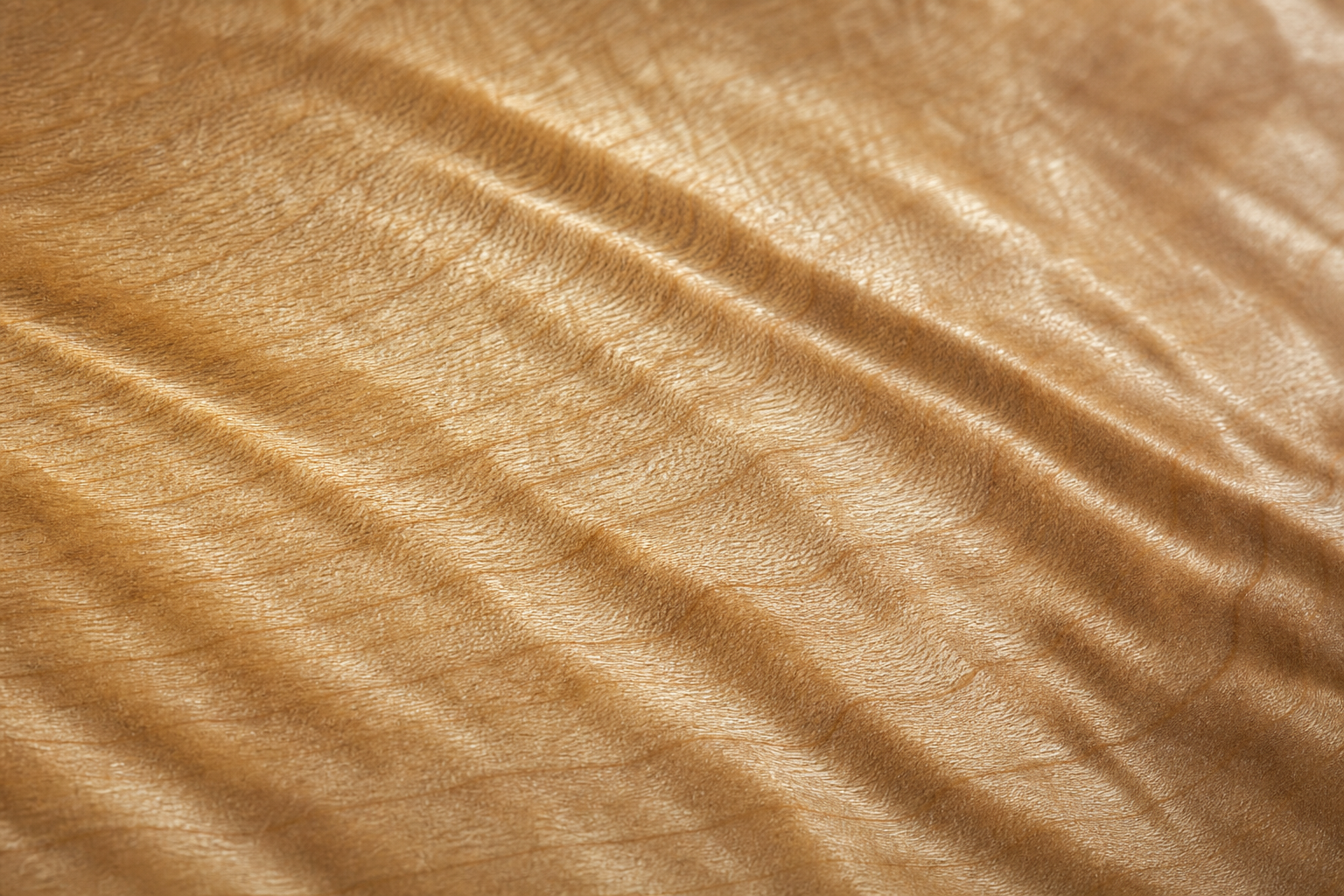
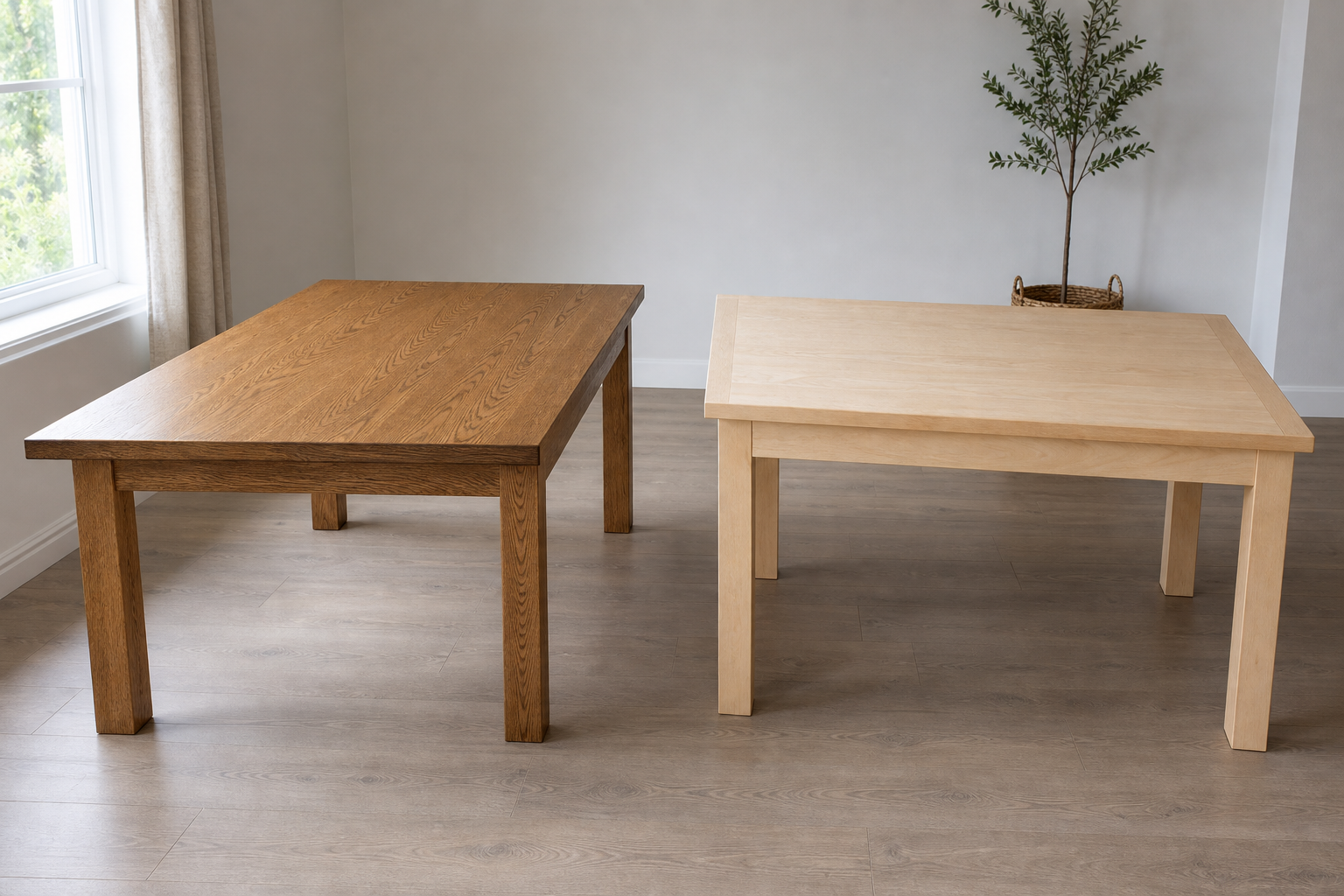
Oak has a bold, open grain with visible medullary rays (the flecking you see on quartersawn oak) that gives it an unmistakably traditional, textured character. It reads as warm, natural, and substantial. In stained form, oak takes on rich, deep tones that complement traditional and craftsman furniture styles.
Maple’s grain is tight, fine, and nearly featureless on flat-sawn boards. The surface is smooth and consistent, which is exactly why it suits modern and Scandinavian-influenced design. Standard hard maple is a pale, creamy white with subtle grain variation. Figured maple (curly, bird’s-eye, quilted) adds dramatic visual interest at a higher price point.
The grain difference also affects how each species looks as it ages. Oak develops a warm patina over years of use and light exposure. Maple tends to yellow slightly, particularly under oil-based finishes, which some people love and others want to avoid.
Both species are harder on tool edges than softwoods, but they’re manageable for hobbyist woodworkers with properly sharpened tools. Maple is generally considered the more demanding of the two for hand-tool work. Its density and tight grain can cause tear-out with dull blades, and it requires more effort to hand-plane cleanly.
Oak is slightly more forgiving for beginners using hand tools, though its open grain means it can splinter along the pore lines if tools aren’t sharp.
For both species, the rules are the same:
If you’re still building out your shop, the woodworking tools and machinery overview covers what you actually need for furniture-scale projects without overbuilding your setup.
Is maple harder than oak? Why does maple blotch when I stain it? Which is cheaper, oak or maple? Can I use oak for a butcher block or cutting board? Does oak scratch more easily than maple? What’s the best finish for maple furniture? What’s the best finish for oak furniture? Is white oak better than red oak for furniture? Which wood is better for bedroom furniture? Can a beginner woodworker work with both species? Which is better for high-traffic areas? Do I need special tools to work with oak or maple? Oak and maple are both excellent hardwoods for furniture. Neither is objectively better. They’re different, and the right choice depends on what you’re building, how you’re finishing it, and the look you want to live with.
Choose oak when you want warmth, visible grain, and a wood that stains predictably. It’s the more forgiving species for beginners tackling stained furniture, and it suits traditional, farmhouse, and craftsman styles naturally. Choose maple when you want a clean, contemporary surface, plan to paint the piece, or need maximum hardness for a countertop or cutting board. Just plan your finishing approach before you buy the wood, because maple’s staining behavior catches a lot of people off guard.
The biggest mistake is choosing a species without thinking about the finish first. Get that decision right, and either wood will reward you with furniture that lasts for generations.
These are practical resources worth having if you’re working with oak or maple for the first time.
Pre-stain wood conditioner. Essential for maple if you’re staining. Minwax Pre-Stain Wood Conditioner is widely available and reliable. Apply it before any liquid stain on maple to reduce blotching.
Gel stain. General Finishes Gel Stain is a favorite among hobbyist woodworkers for tight-grained woods like maple. It’s thicker than liquid stain and penetrates more evenly.
Water-based polyurethane. For maple furniture you want to keep light and bright, a water-based poly like Minwax Polycrylic or General Finishes High Performance Topcoat prevents the yellowing that oil-based products cause on maple.
Oil-based polyurethane. For oak furniture where you want to enhance the warm, golden tone, an oil-based poly like Varathane Ultimate Polyurethane delivers durability and depth of color.
Sharp chisels and plane blades. Both species demand sharp tools. A simple honing guide and a quality sharpening stone (a combination 1000/6000 grit waterstone is a solid starting point) will serve you well for years. The woodworking joinery and techniques section covers sharpening and hand-tool fundamentals in more depth.
Furniture building plans. If you’re ready to put either species to use, the furniture building plans library has project plans scaled for hobbyist builders, from dining tables to bedroom pieces.
Further reading. If you’re still exploring which wood suits your project, the wood types and material selection hub covers a wider range of species comparisons, including walnut, cherry, and pine, with the same practical focus on how each wood actually behaves in the shop.
Key Takeaways

What’s the Difference Between Oak and Maple Wood?
Which Is Harder: Oak or Maple?
Oak vs. Maple for a Dining Table: Which Lasts Longer?
Can You Stain Maple Wood Like Oak?
Is Oak or Maple Better for Kitchen Cabinets?
Maple Wood Furniture Cost Compared to Oak: Which Is More Expensive?
Oak vs. Maple Water Resistance: Which Is Better?
Maple Wood Furniture in High-Traffic Areas: Does It Hold Up?
Who Should Choose Oak Wood Furniture?
Is Oak or Maple Better for Bedroom Furniture?
Common Mistakes When Choosing Between Oak and Maple
Grain and Appearance: How Do They Actually Look?
Workability: Which Is Easier to Work With?
Oak vs. Maple: Side-by-Side Comparison
Factor
Oak (Red Oak)
Maple (Hard Maple)
Grain
Bold, open, traditional
Tight, uniform, contemporary
Janka Hardness
Approx. 1,290 lbf
Approx. 1,450 lbf
Stain behavior
Takes stain evenly, forgiving
Blotches without pre-conditioner
Best finish
Stain, oil, polyurethane
Paint, light stain, water-based finish
Best use case
Dining tables, traditional furniture
Cabinets, cutting boards, modern styles
Moisture resistance
Moderate (white oak is better)
Moderate
Beginner-friendly
Yes, especially for staining
Yes for painting, harder for staining
Typical cost
Moderate (varies by region)
Moderate (varies by region)
Frequently Asked Questions
Yes. Hard maple scores approximately 1,450 lbf on the Janka hardness scale, compared to roughly 1,290 lbf for red oak. Maple is harder, but both are considered durable furniture-grade hardwoods. The difference matters most for high-wear surfaces like countertops and flooring.
Maple’s tight, irregular grain absorbs liquid stain unevenly. Some areas soak up more color than others, creating patchy, inconsistent results. The fix is to use a pre-stain wood conditioner before applying stain, or switch to a gel stain, which sits on the surface and penetrates more evenly. Testing on scrap first is essential.
They’re priced similarly at most hardwood dealers, typically in the $5 to $12 per board foot range for standard grades. Regional availability shifts the balance: oak tends to be cheaper in the South and mid-Atlantic, while maple is often more affordable in the Great Lakes and New England regions. Check with local suppliers for current pricing.
Oak’s open grain makes it a poor choice for cutting boards and butcher blocks. The large pores can harbor bacteria even after cleaning. Hard maple is the standard choice for food-contact surfaces because its tight grain is more hygienic and easier to sanitize.
Technically, yes. Maple is harder and more scratch-resistant. But oak’s visible grain texture tends to disguise surface scratches better than maple’s smooth, uniform surface, where scratches are more visible against the light background.
Water-based polyurethane or a water-based lacquer is the most popular choice for maple because it doesn’t amber over time, keeping the wood’s natural pale tone. Oil-based finishes will yellow maple noticeably. For painted maple, a shellac-based primer followed by water-based paint gives the cleanest result.
Oil-based polyurethane enhances oak’s warm, golden tones and provides excellent durability. Hardwax oils are popular for a more natural look. Dark stains work well on oak with minimal preparation, though very dark tones benefit from a grain filler for a smoother result.
White oak has tighter pores, better moisture resistance, and a slightly cooler, more gray-toned color compared to red oak’s warmer, pinkish tone. White oak is the preferred choice for kitchen furniture, anything near water, and contemporary styles. Red oak is warmer and often more affordable.
For traditional bedroom furniture with a stained finish, oak is the classic choice. For modern or Scandinavian-style bedroom furniture with a painted or lightly oiled finish, maple is the better option. Bedroom furniture sees less physical stress than dining furniture, so hardness is less of a factor here.
Yes, with sharp tools and some preparation. Oak is more forgiving for beginners who want to stain their work. Maple is manageable for beginners who plan to paint or use a light natural finish. Both require sharp blades and careful technique to avoid tear-out.
Maple, technically. Its higher hardness makes it more resistant to denting and surface abrasion. That said, oak’s grain texture hides wear more naturally, so the visual difference in a high-traffic piece may actually favor oak over time.
No special tools are required beyond a standard woodworking setup. Sharp blades are the most important factor with both species. The woodworking tools equipment guide covers the essentials for furniture-scale work.
Conclusion
Products, Tools, and Resources