How to Prevent Outdoor Furniture from Rotting
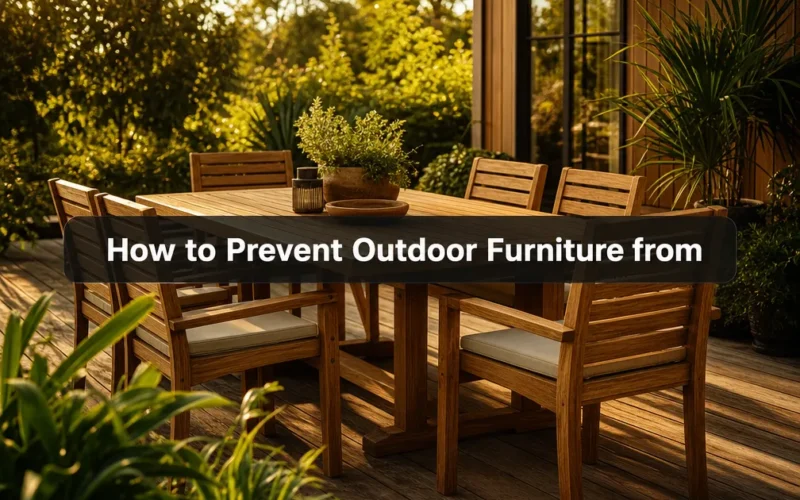
Wood rot claims thousands of outdoor furniture pieces every year, and most of it is completely preventable. Whether you built your patio set yourself or bought it ready-made, knowing how to prevent outdoor furniture from rotting is the difference between furniture that lasts a decade and furniture that falls apart in two seasons.
Key Takeaways
- Wood rot is caused by fungi that thrive in moisture. Eliminating moisture exposure is the single most effective prevention strategy.

- Naturally rot-resistant woods like teak, cedar, and white oak outperform pine and other softwoods in outdoor environments without extra treatment.
- Sealing or oiling outdoor wood furniture every 1 to 2 years is the standard maintenance interval for most climates.
- Oil-based sealers penetrate wood fibers for deeper protection; film-forming sealers and paints sit on the surface and can trap moisture if they crack.
- Storing furniture indoors or under breathable covers during winter dramatically extends its lifespan.
- Early-stage rot can sometimes be repaired with wood hardeners and epoxy fillers, but advanced structural rot usually means replacement.
- Furniture legs and joints are the highest-risk areas because they collect water and stay damp longest.
Find this useful? Add us as a preferred source on Google and more of what we publish will show up in your results.
What Causes Outdoor Furniture to Rot
Wood rot is caused by wood-decay fungi that break down the cellulose and lignin in wood fibers. These fungi need four things to grow: oxygen, warmth, a food source (the wood itself), and moisture. Of those four, moisture is the only one you can realistically control.
When wood stays wet for extended periods, typically above 20% moisture content, fungi colonize the fibers and begin digesting the wood from the inside out. This is why furniture legs sitting on wet ground or in pooled water rot far faster than the tabletop above them.
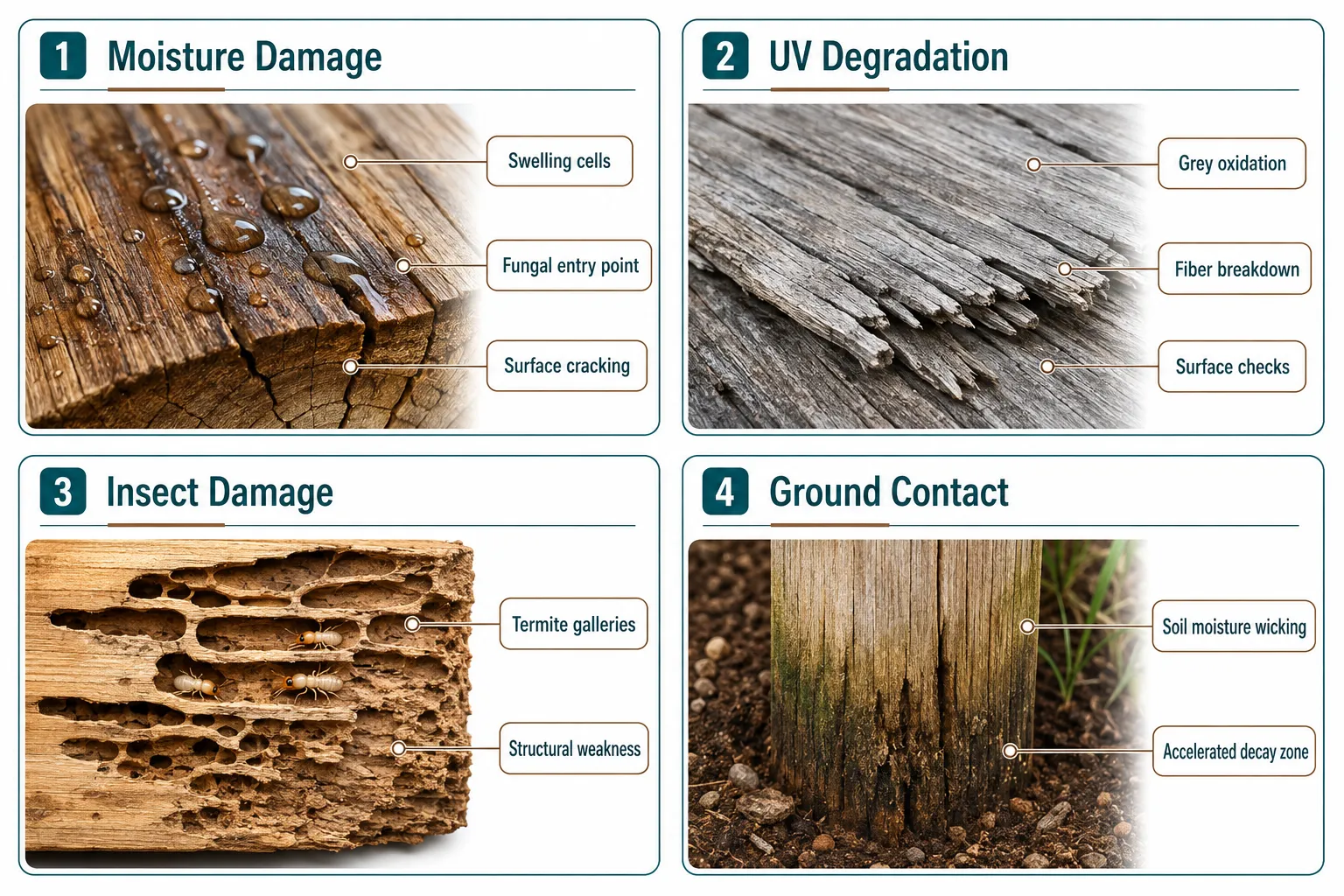
Three main factors accelerate outdoor wood rot:
- Persistent moisture from rain, dew, and ground contact
- UV exposure that breaks down surface finishes and opens wood grain to water infiltration
- Insects like termites and carpenter ants that create entry points for moisture and fungi
Understanding these causes is the foundation of every effective rot-prevention strategy.
Best Wood Types for Outdoor Furniture That Don’t Rot
Some woods are naturally more rot-resistant than others, and choosing the right species is the single most important decision you make before a single drop of sealer is applied.
Top rot-resistant wood species for outdoor furniture:
| Wood Species | Natural Rot Resistance | Relative Cost | Best For |
|---|---|---|---|
| Teak | Excellent | High | Tables, chairs, loungers |
| White Oak | Very Good | Moderate-High | Benches, frames |
| Cedar (Western Red) | Very Good | Moderate | Chairs, planters, light frames |
| Black Locust | Excellent | Moderate | Structural legs, posts |
| Ipe (Brazilian Hardwood) | Excellent | High | Decking, heavy furniture |
| Pine (treated) | Fair (with treatment) | Low | Budget builds with regular maintenance |
Teak is widely considered the gold standard for outdoor furniture because its natural oils repel moisture and resist fungal growth without any treatment. Cedar is the go-to choice for hobbyist woodworkers building their first outdoor pieces because it’s affordable, easy to work with, and holds finishes well.
If you’re planning a DIY build, browse these furniture building plans and DIY woodworking projects to find designs suited to rot-resistant species.
Decision rule: Choose teak or ipe if budget allows and the piece will stay outside year-round. Choose cedar if you want a manageable cost with good natural protection. Use treated pine only if you commit to annual sealing.
Signs Your Outdoor Furniture Is Starting to Rot
Catching rot early is what separates a simple repair job from a complete replacement. Most wood rot gives clear visual and tactile warnings before it becomes structural.
Watch for these early warning signs:
- Soft or spongy spots when you press on the wood, especially near joints and legs
- Discoloration, grey, black, or dark brown patches that weren’t there before
- Crumbling or fibrous texture on the wood surface
- Musty or earthy smell coming from the furniture
- Paint or finish bubbling and peeling in isolated spots (moisture is trapped underneath)
- Visible mold or mildew growth in shaded or low-airflow areas
The legs, bottom rails, and any area where two pieces of wood meet at a joint are the first places to check. Water pools in those spots and dries last.
How Often Should You Seal Outdoor Furniture
For most climates, outdoor wood furniture should be sealed or re-oiled every 1 to 2 years. Furniture in high-humidity environments, coastal regions, or areas with heavy rainfall may need treatment annually or even more frequently.
The best way to know when resealing is needed is the water bead test: sprinkle a few drops of water on the wood surface. If the water beads up and rolls off, the sealer is still doing its job. If the water soaks in within 30 seconds, it’s time to reseal.
Sealing frequency by situation:
- Teak or ipe furniture: oil once per year to maintain color; can go longer without treatment
- Cedar or pine furniture: seal every 12 months in wet climates, every 18 to 24 months in dry climates
- Painted furniture: inspect annually, repaint every 3 to 5 years or when peeling begins
- Furniture stored indoors in winter: can extend the resealing interval by 6 to 12 months
Never skip the prep work before resealing. Sand lightly with 120-grit sandpaper, clean off any mildew with a diluted oxalic acid wood cleaner, and let the wood dry completely before applying any product.
Does Paint or Stain Work Better for Rot Prevention
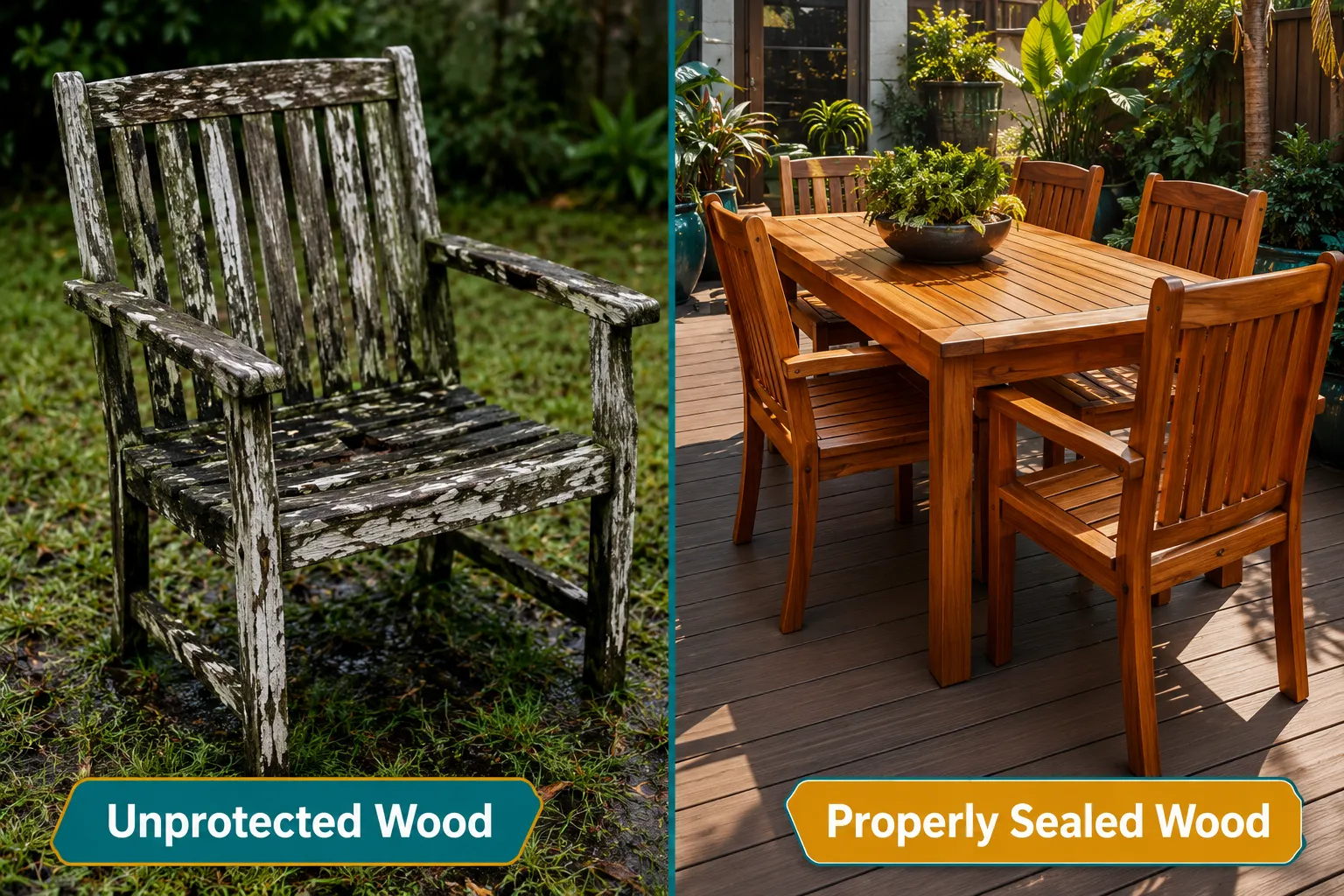
Penetrating stains and oils generally outperform paint for rot prevention on outdoor furniture because they soak into the wood rather than forming a surface film. Paint creates a barrier that looks great initially but traps moisture if it cracks or chips, accelerating rot underneath.
Comparison of finish types:
- Penetrating oil (teak oil, linseed oil, Danish oil): Soaks into wood fibers, feeds the wood, allows moisture vapor to escape. Requires more frequent reapplication but does not peel or trap moisture.
- Penetrating stain: Similar to oil but adds color and UV protection. Excellent for cedar and pine. Needs reapplication every 1 to 2 years.
- Film-forming sealers (spar varnish, polyurethane): Creates a hard surface barrier. Highly water-resistant but can crack over time and trap moisture underneath.
- Exterior paint: Best for aesthetic control and UV protection. High maintenance because any crack or chip becomes a moisture entry point.
Decision rule: Use a penetrating oil or stain if the furniture will face rain and sun year-round. Use spar varnish or paint if the furniture is stored in winter and you want a durable, low-maintenance finish during the season.
For a deeper look at finishing products and tools, the popular woodworking products for home improvement guide covers many of the best options available in 2026.
Waterproof Coatings for Wood Furniture: What Actually Works
The best waterproof coatings for outdoor wood furniture are spar urethane, exterior-grade penetrating sealers, and marine-grade varnishes. Each has specific strengths depending on how much weather exposure the furniture faces.
Top-performing products by category (2026):
- Spar urethane (e.g., Minwax Helmsman Spar Urethane): Flexible film that expands and contracts with wood movement. Excellent UV resistance. Good for furniture that stays outside.
- Penetrating teak oil or Danish oil: Best for dense hardwoods. Nourishes the wood and repels water without forming a brittle film.
- Thompson’s WaterSeal Advanced Natural Wood Protector: Easy to apply, widely available, suitable for pine and cedar. Needs annual reapplication.
- Cabot Australian Timber Oil: Penetrates deeply, excellent for hardwoods and softwoods alike, adds warm color tone.
- Marine-grade varnish: The most durable film finish available. Used on boat decks and outdoor furniture that needs maximum protection. Requires careful surface prep.
Always apply coatings to clean, dry wood. Two thin coats outperform one thick coat every time.
How Long Does Treated Wood Furniture Last Outside
Properly treated outdoor furniture made from rot-resistant species can last 15 to 25 years or longer with consistent maintenance. Pressure-treated pine furniture, when sealed regularly, typically lasts 10 to 15 years outdoors.
Untreated softwood furniture left outside year-round may show significant rot damage within 3 to 5 years in wet climates.
Lifespan depends on four main variables:
- Wood species, naturally rot-resistant woods last longer regardless of treatment
- Finish quality and consistency, furniture that gets resealed on schedule lasts far longer
- Climate, high humidity, freeze-thaw cycles, and salt air all accelerate decay
- Storage habits, furniture stored indoors or covered in winter can double its effective lifespan
Outdoor Furniture Storage in Winter to Prevent Rot
Storing outdoor furniture indoors during winter is one of the most effective ways to prevent rot, because it eliminates months of moisture exposure during the period when wood is most vulnerable. Even moving furniture to a covered porch or garage makes a significant difference.
If indoor storage isn’t possible, follow these steps:
- Clean the furniture thoroughly before storing or covering. Dirt and organic debris hold moisture against the wood.
- Apply a fresh coat of sealer or oil before winter sets in. This gives the wood maximum protection during the off-season.
- Use breathable furniture covers, not plastic tarps. Plastic traps condensation against the wood and creates exactly the humid microclimate that fungi love.
- Elevate furniture off the ground using furniture feet, rubber pads, or a dry pallet. Ground contact is the fastest path to rot.
- Store in a dry, ventilated space if possible. A shed with good airflow is better than a sealed, damp basement.
Can You Restore Rotted Wood Furniture
Yes, early-stage rot can often be repaired rather than replaced. The key is catching it before the rot has compromised the structural integrity of the wood. If the damaged area is soft but the surrounding wood is still sound, a two-step repair using a wood hardener and an epoxy wood filler is usually effective.
Step-by-step rot repair process:
- Remove all loose, crumbling, or visibly rotted wood with a chisel or stiff brush.
- Apply a liquid wood hardener (such as Minwax High Performance Wood Hardener) to the damaged area. Let it soak in and cure fully, typically 4 to 6 hours.
- Mix and apply a two-part epoxy wood filler to rebuild the missing material. Shape it while still pliable.
- Once cured, sand smooth and apply your chosen finish.
- Address the moisture source that caused the rot in the first place, or the repair will fail again.
When to replace instead of repair: If rot has spread through a structural joint, a leg, or more than one-third of a board’s cross-section, replacement is the safer and more cost-effective choice.
Outdoor Furniture Covers: Do They Actually Prevent Rot
The right cover helps prevent rot by reducing moisture exposure, but the wrong cover can make things worse. Breathable, UV-resistant covers made from polyester or solution-dyed acrylic fabrics (like Sunbrella) protect furniture from rain while allowing moisture vapor to escape.
Avoid covers that:
- Fit too tightly and trap condensation underneath
- Are made from solid plastic or vinyl with no ventilation
- Pool water on top rather than shedding it
Even the best cover is not a substitute for sealing the wood. Think of a cover as the second line of defense, not the first.
Metal vs. Wood Outdoor Furniture Durability
Metal outdoor furniture, particularly powder-coated aluminum and stainless steel, does not rot, which makes it inherently lower maintenance than wood. However, it has its own durability challenges: rust (in iron and steel), corrosion in coastal environments, and heat retention in direct sun.
Wood furniture, when properly maintained, offers warmth, repairability, and a natural aesthetic that metal cannot match. A well-maintained teak or cedar piece can outlast a cheap powder-coated steel frame that chips and rusts.
Choose metal if: You want near-zero rot risk and minimal annual maintenance.
Choose wood if: You’re willing to do seasonal maintenance and want the satisfaction of working with a natural material that can be repaired, refinished, and customized.
For hobbyist woodworkers who enjoy the craft, building and maintaining wood furniture is part of the appeal. Learning to use the essential equipment for woodworking properly makes every maintenance task easier and more satisfying.
Outdoor Furniture Maintenance Schedule
Consistent maintenance is how to prevent outdoor furniture from rotting over the long term. A simple annual schedule removes the guesswork.
Annual outdoor furniture maintenance checklist:
- Early spring: Inspect all surfaces for soft spots, cracks, mold, or peeling finish. Do the water bead test.
- Spring (before use season): Clean with a wood-appropriate cleaner. Sand lightly if needed. Apply fresh sealer, oil, or stain.
- Mid-season (summer): Wipe down after heavy rain. Check that furniture is not sitting in pooled water.
- Late fall (before winter): Clean thoroughly. Apply a protective oil or sealer coat. Cover or store indoors.
This schedule works for most climates. In tropical or very wet regions, add a mid-season inspection and spot-treat any areas showing early moisture damage.
For woodworkers who want to explore more popular woodworking techniques and projects, building furniture with rot prevention designed in from the start, raised legs, good joinery, and the right species, is always better than trying to fix problems after the fact.
FAQ: How to Prevent Outdoor Furniture from Rotting
Why does my outdoor furniture rot so fast even when I cover it?
Covers that don’t breathe trap condensation underneath, creating a humid microenvironment that accelerates fungal growth. Switch to a breathable fabric cover and make sure the wood is sealed before covering it.
What is the best oil for outdoor wood furniture?
Teak oil, Danish oil, and Cabot Australian Timber Oil are consistently well-regarded options. Teak oil is best for dense tropical hardwoods. Danish oil works well on cedar and softer woods. Always apply in thin coats and let each coat cure fully.
Can I use indoor wood sealer on outdoor furniture?
No. Indoor sealers are not formulated to handle UV exposure, temperature swings, or sustained moisture. Use a product specifically rated for exterior use.
How do I know if my wood furniture is beyond repair?
Press a screwdriver or awl into the suspected area. If it sinks in more than half an inch with light pressure, the structural integrity is compromised and replacement is the better option.
Does pressure-treated wood need to be sealed for outdoor furniture?
Yes. Pressure treatment protects against insects and some fungal decay, but it does not make wood waterproof. Sealing pressure-treated wood reduces surface cracking and extends its lifespan significantly.
Is teak furniture worth the higher cost?
For furniture that will stay outside year-round with minimal maintenance, teak is worth the investment. It requires far less upkeep than pine or cedar and naturally resists rot for decades.
What’s the fastest way to dry wet outdoor furniture?
Move it to a sunny, well-ventilated area and elevate it off the ground so air can circulate underneath. Do not apply heat directly, as rapid drying can cause cracking.
Can I paint over rotted wood to hide the damage?
No. Painting over active rot will trap moisture and accelerate the decay. Always repair or remove rotted material before applying any finish.
How do I stop furniture legs from rotting where they touch the ground?
Add rubber or plastic furniture feet, use stainless steel hardware to elevate legs slightly, or set legs on flat stones or pavers. Eliminating direct ground contact is the single most effective fix for leg rot.
Does staining prevent rot as well as sealing?
A quality penetrating exterior stain provides both color and water repellency, making it comparable to a sealer for rot prevention. Some stains also include mildewcides for added protection.
Conclusion
Knowing how to prevent outdoor furniture from rotting comes down to three consistent habits: choose the right wood, apply the right finish, and maintain it on a regular schedule. None of these steps require advanced skills or expensive tools. A beginner woodworker who oils their cedar bench every spring and stores it under a breathable cover in winter will get far more years out of that piece than someone who ignores it until the legs give way.
Start with an inspection this season. Do the water bead test. If the water soaks in, it’s time to reseal. If you spot soft spots or discoloration, address them now before they spread.
Actionable next steps:
- Inspect your current outdoor furniture for early rot signs using the checklist above.
- Choose a penetrating oil or exterior stain appropriate for your wood species.
- Set a calendar reminder for spring and fall maintenance.
- Elevate any furniture legs that sit directly on soil or concrete.
- Invest in breathable furniture covers before next winter.
Building furniture that lasts is one of the most satisfying parts of woodworking. If you’re ready to take on a new outdoor project with rot prevention built in from the start, explore these furniture building plans and DIY woodworking projects for inspiration. And if you want to make sure you have the right tools for prep, finishing, and repair work, the guide to various tools used for woodworking is a solid place to start.
Products, Tools, and Resources
A few products worth keeping in the workshop for outdoor furniture care:
- Minwax Helmsman Spar Urethane, a reliable, widely available film finish with good UV resistance for furniture that stays outside
- Cabot Australian Timber Oil, a penetrating oil that works well on both hardwoods and softwoods, with a warm natural finish
- Minwax High Performance Wood Hardener, essential for stabilizing early-stage rot before applying filler
- PC-Woody Epoxy Wood Filler, a two-part filler that machines and sands like real wood once cured
- Oxalic acid wood cleaner (e.g., Rust-Oleum Wolman DeckStrip), removes grey weathering and mildew stains before refinishing
- Breathable patio furniture covers (Sunbrella fabric), solution-dyed acrylic fabric that sheds water without trapping condensation
- Rubber furniture feet or stainless steel leg caps, inexpensive hardware that eliminates direct ground contact, the number one cause of leg rot
None of these products require professional application. With clean wood, dry conditions, and a little patience, any hobbyist woodworker can apply them effectively and extend the life of their outdoor furniture by years.